Pages

Showing posts with label Articles. Show all posts

Tuesday, January 21, 2014

Memo Plus Gold : The Ultimate Memory Booster

Being in the market since 1997, Memo Plus Gold has been one of the leading product for memory. Even without proper advertisement, through out the years we are still selling in the right momentum with almost 90% loyal consumer. Some of the new one coming from grapevines created by testimonials from older consumer. They see positive result on their children and they share it with relatives, siblings, neighbors and so on. And they also hooked up with our Memo Plus Gold and continues the grapevines. 

So, if you're thinking about never heard of Memo Plus Gold maybe you're the one who going to start spreading testimonials and created grapevines about it. Try it and feels the different since you're fated to get to know about this amazing product.

Briefly, Memo Plus Gold has been selling like hot banana fritters in Philippines. It's also has been researched by Universities in Australian and by CDRI of India. It has proven it's efficacy through research as well as having testimonials by millions of people. 

If you're still not convince, why don't you try it yourself. Try it, consume it daily for 4 to 6 months and see the different yourself. You'll be more alert with great memories and you'll be less tired as well. 

Memo Plus Gold, once's you eat it..you'll never forget!

Wednesday, July 24, 2013

Friday, February 15, 2013

Memo Plus Gold for Healthier Brain


Memo Plus Gold has been clinically proven by research and thousand of consumers' testimonials around the world. Moreover it is 100% herbal which does not effect your organs for long time consuming process. It is a perfect product for your brain and a perfect solution for bad memory.

To have more details on this awesome product browse through official website www.oze.my or simply call Oze Marketing hotline 03-6275 2020 for more info. 

Wednesday, February 6, 2013

Wednesday, January 30, 2013

Did You Hug Your Child Today ?


Touch is such a powerful tools. It can soothe, give confidence and make people feel loved. Everyone needs touch especially when we got older and all the touches become scarce because of the changes around us. Babies need touch to be familiarize with their surroundings and people around them. Children need touch to assure them they are safe and loved. Teenager need touch to feel welcome and accepted. Adult need touch to feel warm and complete. Every step in our life we need to touch and be touched. 

Our sense of self is related to our sense of touch; with how we feel. We stroke our forearms; we run our fingers through our hair to relieve stress. And as we age, we need more assurance that we are loved.

Touch can help you with a lot of thing such as

Stress Reliever & It Makes You Smarter Too
Researchers at the University of Miami had people do a difficult math problem, then had them do it again after receiving a chair massage. Post-massage, subjects showed increased speed and accuracy in solving the problems as well as more pleasure in the task, thanks to the reduction of stress. Dacher Keltner, Ph.D., of the University of California, Berkeley, author of Born to Be Good: The Science of a Meaningful Life, discovered that athletes who frequently give each other a high five or a "good job!" pat during games do better in team sports than the ones who don't physically interact. While the flying chest bumps that pro athletes share are probably not part of your work environment, you can practice what Keltner calls "smart touch: encouraging pats on the back, friendly handshakes, and playful fist bumps."

Shift Your Mood From Bad to Better
Scientists are discovering that you don't have to touch another person to receive a sensory lift. Next time you're feeling low, cradle a steaming mug of coffee or tea in your hands. If you're like most of us, it will put you in a more generous mood; a 2008 Yale study by social psychologist John Bargh, Ph.D., showed that people tend to think more warmly of others if they're holding something warm. You could also warm up your mood by booking a massage, getting a shampoo at a salon, or meeting a friend for lunch and giving her a big hug.

Relationship Stands Better
"One of the key places we can use touch is in our families," says Hertenstein. "A lot of fathers are reluctant to hug their sons for fear of how they will be perceived. But touch increases bonding with those around us. I give my 5-year-old son a two- or three-minute back rub each night as I tell him a story." Touch may mean more to men than they let on: A 2011 study by the Kinsey Institute for Research in Sex, Gender, and Reproduction polled more than 1,000 men and their female partners in five countries about the power of touch and found that for men between the ages of 40 and 70, regular cuddling was more important than sex. The more men hugged and kissed, the happier they considered their relationships. "The most important thing is to have a frequent dose [of touch]," says Field. "Like diet and exercise, if you don't have it daily, the effects will go away."

So there you go. Touches can make the world feel better and look better. Hug your child today for starter and see how it builds much comfortable and warm relationship between the two of you. You can always pat her on the head when she's done a great job and hold her hands while you lecture her on her bad behaviour. Any how it will makes everything seems warmer, genuine and lovely. 

Tuesday, January 29, 2013

World’s Richest School Drop Out Billionaires

Ever wonder why sometimes you failed miserably. After everything you put in it and all the sacrifice you made to achieve your goals. Does it means god above hates you or you just don't have your guardian angels around ? Or maybe rationally you just a failure no matter what you do..maybe it's your destiny to fail.. 

Remember !

When you fail in your exams it doesn't mean all doors to success are close to you. There are so many brilliant minds everywhere who succeeded because they have the passion, hard working and ideas how they want to live their life and not afraid in taking chances.

Here some of the famous billionaires that drop out or never even been to school but still succeed. Mind is a powerful thing we have as a human and to expand it's potential for success is crucial.

I have nothing against education. But at times, education gives people false confidence. It makes people relax, trusting in the power of their certificates rather than in working hard.” – Rasaq Okoya

Bill Gates: He is the billionaire co-founder of Microsoft Corporation, the world largest software company. Dropped out of Harvard to focus on building Microsoft. According to Forbes magazine, Bill Gates has held the position of the world richest man for thirteen consecutive years and he not showing a sign of letting go that position.
To win big, you sometimes have to take big risks.” – Bill Gates
We were young, but we had good advice good ideas and lots of enthusiasm.” – Bill Gates
Thomas Edison: Thomas Edison was labeled dumb and scatterbrain by his school teachers but he went on to become one of the world’s greatest inventors and founded General Electric; one of the most powerful companies in the world.
 “Many of life’s failures are people who did not realize how close they were to success when they gave up.” – Thomas Edison
Li Ka Shing: Billionaire owner of Hutchinson Whampoa; one of the largest conglomerates in Hong Kong, with operations that span over fifty countries and more than 220,000 staff worldwide. Dropped out of school at the age of 15 and started out by selling watch bands.
The first year, I didn’t have much capital so I did everything myself. I had to keep my overhead low by learning everything about running a business, from accounting to fixing the gears of my equipment. I really started from scratch.” – Li Ka Shing
Richard Branson: Best known for his adventurous spirit and outrageous business tactics. He dropped out of school at the age of 16 to start his first successful business venture; Student Magazine, bought his own 79-acre Caribbean island when he was just 24 and he was knighted in 1999. He is the billionaire founder of the Virgin brand and its 360 companies. His companies include the famous Virgin Atlantic Airways.
 “I wanted to be an editor or journalist. I wasn’t really interested in becoming an entrepreneur, but I soon found I had to become an entrepreneur in order to keep my magazine going.” – Richard Branson
Michael Dell: He dropped out of college at the age of 19 to start PC’s Limited; later renamed Dell Computers Inc. Dell became the most profitable PC manufacturer in the world making Michael Dell a billionaire.
    “I had to give it a full go and see what happened.” – Michael Dell
Steve Jobs: Billionaire co-founder of Apple Inc and Pixar; dropped out of Reed College to start Apple

Henry Ford: This automobile billionaire was born in abject poverty. He never saw the four walls of school but he went on to build Ford Motor Company and become one of the richest men that ever lived.
 “Thinking is the hardest work to do, that’s why so few people are engaged in it.” – Henry Ford
 Walt Disney: Walt, regarded as the most influential animator because of his creativity with cartoons. He dropped out of high school at 16 and founded Walt Disney; a company which now has an annual revenue of about $30billion.
If you can dream it, you can do it.” – Walt Disney
Ray Kroc: Billionaire Ray Kroc never saw the four walls of school and spent most of his life working as a salesman. He bought McDonald’s in 1961 for $2.7m and grew it into a multi billion dollar company.
Press on. Nothing in the world can take the place of persistence. Talent will not; nothing is more common than unsuccessful men with talent. Genius will not; the world is full of educated derelicts. Persistence and determination alone are omnipotent.” – Ray Kroc
Ingvar Kamprad: Billionaire founder of IKEA. He dropped out of high school at the age of 17 to start IKEA; now the top home furniture retailer in the world, with over 90,000 employees working in its 200-plus stores, and annual revenues in excess of $10 billion.
 “I’m not afraid of turning 80 and I have lots of things to do. I don’t have time for dying.” – Ingvar Kamprad
Carl Lindner: Billionaire investor and founder of United Dairy Farmers. He dropped out of high school at the age of 14 to deliver milk for his family diary.

Simon Cowell: Famous for his involvement in American Idols, he dropped out of school at age 16 and started his own record label “Fanfare” at the age of 23.
Good is not enough; you’ve got to be great.” – Simon Cowell
Mary Kay Ash: Founder of Mary Kay Inc and best known as the most outstanding business woman in the 20th century. Mary never saw the four walls of school.
When you reach an obstacle, turn it into an opportunity. You have the choice. You can overcome and be a winner, or you can allow it to overcome you and be a loser. The choice is yours and yours alone. Refuse to throw in the towel. Go that extra mile that failures refuse to travel. It is far better to be exhausted from success than to be rested from failure.” – Mary Kay Ash
Coco Chanel: Fashion magnate and founder of the Coco Chanel brand, she never saw the four walls of school.

Andrew Carnegie: Founder of Carnegie Steel Company and one of the richest men that ever lived. Born in abject poverty, Andrew never saw the four walls of school.
I shall argue that strong men conversely know when to compromise and that all principles can be compromised to serve a greater purpose.” – Andrew Carnegie

Giorgio Armani: Billionaire founder of the fashion brand; Giorgio Armani S.P.A. Dropped out of medical school at the University of Bologna because he couldn’t stand the sight of blood.
Remain true to yourself and your philosophy.” – Giorgio Armani
Asa Candler: Founder of the Billionaire company and world’s most popular brand; Coca Cola. He dropped out of school at the age of 10.


Thursday, January 24, 2013

The Importance of Respect


Being a mum is one thing but gaining respect from your kids is another. 

It can be difficult to be a great role model, 

a loving mum and also someone your kids respect.


Here are a few tips on how to be someone your kids look up to.

Remember that respect is earned

If your kids play up or are disrespectful to you, do not show them the same respect you would if they were behaving. Respect is earned and becomes worthless if it is dished out regardless of behaviour. However, this means that you cannot simply ignore your child and good behaviour needs to be rewarded. They will soon realise there is a pattern and you will give them the respect they deserve when they will strive to receive it. There is nothing better to a child than gaining the respect of an adult.

Respect your children

Listen to their ideas, views and opinions and let them have their say, even if you don’t agree with them. By showing them respect, you are treating them how you would like to be treated. Even the youngest of children will appreciate this and start to respect you as you do them.

Be patient and mature

Kids don’t know any better when they are younger and will try to push the boundaries when they are older. If they are being disrespectful or difficult, make sure you don’t stoop to their level by being unreasonable back. This will only cause more problems. Unless you set a good example they will never learn to respect you.

Treat people around you with respect

This is probably the most important way to teach your children respect. We all have disagreements with our partners, but never be disrespectful to them in front of your children. Otherwise the kids will think this is an OK way to behave. Whatever problems you have going on in the background, always put on a united front and show your children that you treat one another with dignity and respect. This goes for all family members. Growing up in a respectful household does wonders for children's temperament, views and morals and they learn by watching their parents treat each other well, even if they have separated.

Don't break your promise

Another way to gain respect from your kids is to follow through with your promises and also, your threats. If you have promised your child an ice cream in the park if he does his homework and then say you are too busy, you will immediately lose the respect of that child. However, by following through he will learn that you will do everything you say, within reason, even if it means he does indeed get no tea after a tantrum! Being consistent with rules and praising is a fundamental key to gaining respect and will teach him to be the same with other people.

Friday, September 7, 2012

Memo Plus Gold Chinese Testimonials


Another testimonials..so parents, students..what are you waiting for..grab Memo Plus Gold now for superb memory and superb result !

Call now 03-6275 2020 or Mr William Yen 016-685 9509

Wednesday, July 25, 2012

Memo Plus Gold in Monash University Australia

Saw Jin had a usual problem as any other students..struggling to maintain her grade and to compete with other students.. but her problem have been resolved after taking Memo Plus Gold which increases her retention and her focus in studies.. 

Succeeded in gaining 7A's for PMR and 10A's  for SPM, she continue her studies in Monash University in Australia and one of the top students also..all of these achievement because she took Memo Plus Gold as her supplement for brain continuously..

Memo Plus Gold helps in retention of the memories and help student to focus more in class. It will also alleviates stress and make sure they got more energy for home works and other activities. As long as they studies their success will be guaranteed..

Call now for more info at 03-6275 2020 or you can go to our facebook page https://www.facebook.com/MemoPlusGoldMalaysia or our website www.oze.my

Thursday, July 19, 2012

Food for The Asthmatic


There might not be a perfect cure for asthma, but we can find many superfoods with a nutrient profile that is particularly well suited for preventing and alleviating asthma symptoms such as shortness of breath, wheezing and chest tightness. Let’s take a look at 12 such foods and their asthma fighting qualities.

1. AVOCADOS - is one of the prime source of Glutathione, which has been shown to protect cells against free radical damage and to detoxify foreign substances such as pollutants. Without glutathione, other antioxidants would not be able not function efficiently. Avocados are also a good source of vitamin E, particularly for people whose asthma is linked to a nut allergy (nuts are one of the most common sources of vitamin E). However, if you have been diagnosed with a latex allergy, you may want to be careful with avocados, particularly non-organically grown produce. Many suggests that people who are allergic to latex are often also allergic to avocados and other foods that may contain substances called chitinases. Organically grown avocados not treated with ethylene gas contain lower levels of chitinases.

2. BROCCOLI SPROUTS - are true nutritional treasure and a great addition to your diet if you suffer from asthma. A recent study found that the study participants who ate broccoli sprouts for 3 days had an increase in antioxidant compounds that control the airway inflammation associated with bronchial asthma. The effect was most pronounced in those who ate the most broccoli sprouts. Available at many health food stores and grocery stores, broccoli sprouts make a great addition to salads, soups, salsa-topped dishes, and sandwiches.

3. APPLES - Studies show that apples possess some extraordinary properties that may provide protection against asthma. One study discovered that pregnant women who ate apples protected their child from developing asthma. Another study found that by drinking apple juice daily children could reduce their chance of suffering from wheezing by 50%. These beneficial effects of apples may be linked to their high concentration of bioflavonoids, such as quercetin. Quercetin is known to possess strong anti-histamine, antioxidant, and anti-inflammatory properties. When buying apples, be sure to purchase organically grown fruit: together with peaches, conventionally grown apples top the list of fruits that contain the highest levels of pesticides and other harmful chemicals.

4. BANANAS - Including bananas in your diet may help you breathe easier. According to a British study, children who ate just one banana a day had a 34% lower chance of developing asthmatic symptoms such as wheezing. The results where not surprising considering that bananas are one of the best sources of pyridoxine, commonly known as vitamin B6. Pyridoxine plays a critical role in the production of adenosine triphosphate (ATP) and cyclic adenosine monophosphate (cAMP), molecules that have been shown to help relax bronchial smooth muscle tissue.

5. GINGER - one of the oldest spices in the world, is well known for its cold treating powers, but it may also help alleviate asthma symptoms. Its asthma fighting properties are thought to be attributable to gingerols, strong anti-inflammatory substances that also give ginger its distinctive flavor. Fresh ginger, which is said to be the most effective form of ginger, is available year round in the produce section of your local supermarket

.6. SPINACH - Popeye was right about one thing: you'd better eat your spinach! The nutritional profile of spinach makes it an excellent health food and an important functional food to be included in any anti-asthma diet. One study with 68,535 female participants found that women with a high intake of spinach had a lower prevalence of asthma. This is not surprising considering that spinach features a host of important asthma preventing nutrients, including beta-carotene (spinach is one of the best sources of beta-carotene there is), vitamin C, vitamin E, and magnesium. It also has a substantial potassium content in proportion to its calorie content: a 100 calorie serving provides about 40% of the reference daily intake for this important anti-asthma mineral.

7. ROSEMARY - It contains rosmarinic acid, that may help alleviate asthma symptoms due to its strong antioxidant and anti-inflammatory properties. The antioxidant power of rosmarinic acid is believed to be even stronger than that of vitamin E. In addition, rosmarinic acid encourages cells to create prostacyclins, which help keep the air passages of the lungs open and thus promote easy breathing. Rosemary can be used to flavor fish, roast meats, and tomato sauces, but also fruits, especially oranges.

8. SUNFLOWER SEEDS - are brimming of anti-asthma nutrients, as these mild nutty tasting seeds are loaded with vitamin E, potassium, and magnesium. They are also a good source of selenium, with 1 cup providing more than 1/3 of the recommended daily intake for this important mineral. Furthermore, sunflower seeds are among the seeds and nuts that are least likely to cause allergic reactions in people. But, be careful while consuming them, as they are quite calorie-dense.

9. SWEET POTATOES - are one of the oldest vegetables known to man and one of the most nutritious too. Sweet potatoes are one of the foods that are least likely to cause allergic reactions, which is great news since asthma is often linked to allergies. What’s more, sweet potatoes contain plenty of vitamin C and potassium as well as unique root proteins which, according to preliminary studies, may have significant antioxidant properties. The pink, orange, and yellow varieties are also one of the most concentrated food sources of beta-carotene (the more intense the color, the more beta-carotene).


10. KALE - This relatively unknown member of the cabbage family is a nutritional powerhouse packed with vitamins and other phytochemicals that have been shown to alleviate symptoms associated with asthma. Not only is kale a great source of vitamin C, it is also one of the most concentrated dietary sources of beta-carotene (kale contains 10 times the beta-carotene of broccoli). Kale can be eaten raw, for example as a substitute for iceberg lettuce in salads. The beautiful green leaves of kale can also be transformed into a savory warm dish by sautéing the leaves and mixing them with chopped onions, crushed garlic and a drizzle of extra virgin olive oil.

11. TURMERIC - a spice that lends its yellow color to curries and many other foods, has long been used in traditional Asian medicine to treat asthma and many other conditions and diseases. In recent years, western medicine has started to pay greater attention to this extraordinary spice. Recent research suggests that turmeric possesses strong anti-inflammatory properties. Although best known for its use in Indian style curries, turmeric can also be used to add flavor and color to fish, seafood, meat, rice, vegetable, and pasta dishes.

In addition you can also take Memo Plus Gold to enhance your immunisation so that your body have the strength to fight back illnesses and  asthma. It will help in the long run to maintain your health as well as your brain. 

Thursday, July 5, 2012

Memo Plus Gold in Chinese Market


Memo Plus Gold had benefited all walks of life.. Helping students get better grade and promote healthier life in improving retention and focus.. hopefully all Malaysian will get the goodness of Memo Plus Gold for their children and Family members..

Call NOW 03-6275 2020

Monday, December 19, 2011

Success with Brain Power..


Call now or browse through to see what's the wonder of Memo Plus Gold to our brain..no matter what's our age and what we do, memory is what make us unique and different from each other..

Check our Facebook for discounted price on Memo Plus Gold NOW!

Thursday, November 10, 2011

Tuesday, November 1, 2011

Vitamins

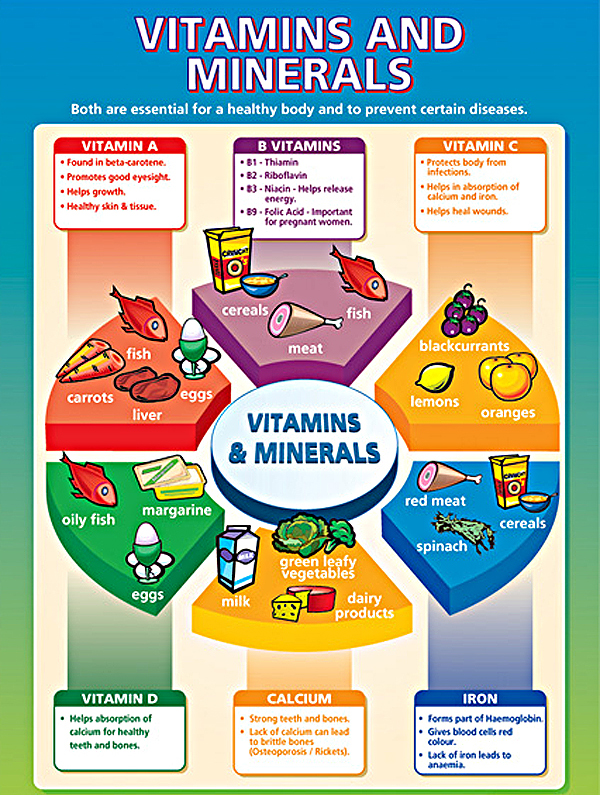
There's a lot of people nowadays who really take care of their health. They eat better food, exercise regularly, minimize daily intake of sugar & salt and some of them even go as far as taking daily supplement of Vitamins. For novices who doesn't really knew what types of Vitamins they need for their body, here a chart that you can refer to..


Besides taking commercial supplement which you can find  in nearly every Pharmacies, you can also opted for specific food or things that can naturally develop the very needed vitamins in your system. For example you can get Vitamin D by just being in the sunlight in a wee hour of morning. This also will push you to be out for early exercising which by coincidence will boost your health level also. Sweating also will allow your body to release unwanted toxin from your skin for a more healthy glow.

Please do refer to below pictogram for examples of said food..


By the way you can also opted in taking Memo Plus Gold as you daily supplement since it can boost up your health level as well as giving you more benefits in the long run.

Thursday, October 6, 2011

AAMI - Have a Good Memory even when you're 60's!

AAMI refers to the decline in MEMORY & INTELLIGENCE due to AGEING. It can occur at any age but becomes more noticeable in old age. It is seen more frequently and sooner in men than in women.


MEMO PLUS GOLD TREATS AAMI

The anti-oxidative & neuroprotective action of Brahmi/Bacopa Monniera helps to prevent the onset of AAMI whereas the ability of the herb to boost brain functions & enhance memory helps to treat AAMI.

Monday, September 26, 2011

Say NO to BRAIN AGING!


FIGHT BRAIN AGING!!
KEEP YOUR MIND HEALTHY AND SHARP.


Modern scientific research has shown that as we grow older, our brain ages due to changes in chemical balance, attack of free radicals, change in lifestyle and nerve connections. Diseases such as Dementia and Alzheimer’s where the person loses his/ her memory and reasoning functions are related to a rapid brain ageing process.

Give yourself a helping hand with Memo Plus Gold. Memo Plus Gold is an all-natural herbal supplement developed scientifically from an ancient Ayurvedic formula. Memo Plus Gold contains the purified extract of Brahmi or Bacopa Monniera, a memory-enhancing herb that improves nerve impulse transmission in the brain for better memory and enhanced learning capability.

Memo Plus Gold is also a potent anti-oxidant that slows brain ageing. Brahmi has been traditionally used as an anti-anxiety, anti-fatigue and memory strengthening herb. Research shows that Brahmi has better memory enhancing effects than Gingko Biloba. The Brahmi extract is as potent an anti-oxidant as Vitamin E. We need good blood flow to and from our brain to remove waste and supply nutrients. Due to the ageing process, lipid peroxidation of fatty substances occurs, including those in brain cells. Brahmi has been found to reduce this damaging lipid.
Brahmi helps improve protein activity and protein synthesis, especially in brain cells, which can increase intelligence and decrease ageing. The Brahmi herb is commonly used as an anti-anxiety agent to help calm adults and restlessness in children or as a nervine tonic that enhances learning and academic performance, improves mental alertness and sharpens short-term and long-term memory. Memo Plus Gold is safe and effective.

Achieve the following with Memo Plus Gold daily


FIGHT BRAIN AGEING
IMPROVE CONCENTRATION AND MEMORY
ACCELERATE BRAIN FUNCTION &  ENHANCE PERFORMANCE
RELIEVE MENTAL & PHYSICAL STRESS
RESTORE CO-ORDINATION BETWEEN MIND AND BODY
RELIEVE STRESS AND ANXIETY
BOOST YOUR ENERGY LEVELS
MAINTAIN GENERAL WELL-BEING

Wednesday, September 14, 2011

Bacopa May Help Your Brain Cope with Stress


 By Aaron W. Jensen, Ph.D.

ave you ever noticed that even as we try to simplify our everyday lives, our stress levels continue to escalate? Maybe that’s because our fast-paced lifestyles are inundated with mundane but insistent tasks—car repairs, grocery shopping, mowing the lawn, visiting the gym, kids’ piano lessons and soccer practice, cooking the evening meal, doctor and dentist appointments . . . . The list of things we need to accomplish daily seems endless. Each task takes a certain amount of time and patience—and when you’re running low on both of those, daily life can be mighty stressful. Some days are worse than others. Some days, in fact, you just want to holler, “Calgon, Take Me Away!”*

*That’s an ad slogan, for those of you who may be pop-culture-challenged.

Stress Is Inescapable
The stresses that engulf us take different forms. The most common and significant ones are physical, social, and work-related stresses, but other factors also contribute to our daily stress levels, such as noise, insomnia, anxiety, and depression. Even solar ultraviolet radiation, environmental toxins (both chemical and biological), and air pollution can raise your stress levels. One thing is for certain: sources of stress are everywhere. So it’s not surprising that your body has developed mechanisms for coping with it.
When you’re overly stressed, your immune system becomes compromised, your body’s functions become less efficient, and your mental faculties begin to falter. Fortunately, however, your cells have built-in coping mechanisms that are activated at such times. These processes are mediated by the synthesis of special proteins—those endlessly versatile molecular workhorses of the cell—to mobilize an effective and protective response.

Studying Stress with Molecular Chaperones
 
How do you study stress in a single cell in the laboratory? Do you look for the little guy to wipe the sweat off his brow? Bite his lip in concentration? Throw his hands up in despair? If only there were such telltale signs, science would be a whole lot easier. Sadly, these clues don’t exist in the molecular world, so scientists have had to devise other methods to study the stress response in cells.
The classic method used to induce a stress response in cells is to expose them to excess heat—but not too much, just a couple of degrees does the trick—a process called heat shock. Shocking cells with heat (or other stressors, such as cold, salt, toxins, or a variety of hormones) causes the cells to increase their production of a specific set of proteins, inventively called heat-shock proteins. But how does this help the cell survive stress?
Some heat-shock proteins are called chaperonins, a term that hints at their function as molecular “chaperones.” In this role, they help other proteins in the cell to maintain their normal structure (which is typically very complex owing to the intricate folding of the long chain of amino acids the protein is composed of). Heat and other stressors can cause proteins to denature, which means that they lose their normal shape through an unfolding of the chain. If this happens, the proteins also lose their normal function, which is critically dependent on their shape, and they are ultimately degraded in the cell.
Chaperonins help denatured proteins to fold back into their normal shape and will even help to refold misshapen proteins. In so doing, they restore functionality to the proteins, many of which are enzymes with critical tasks to perform. Chaperonins thus help cells to survive under stressful conditions and allow them to participate in normal metabolism, growth, and maturation.

Bacopa Activates Antistress Response
Scientists have long sought to understand the biological mechanisms that help you cope with stress and to develop, if possible, ways in which you can prompt your body to deal preemptively with the trials and tribulations of everyday life. One exciting development in this area of research centers on the Indian herb Bacopa monniera. Animal research shows that this herb, which is found in wet, marshy areas throughout India, appears to prime the stress-coping response in cells throughout the brain.
Traditional healing manuals from the ancient practice of Ayurvedic medicine in India reveal that Bacopa has long been used as a memory enhancer and anti-inflammatory agent. It has also been used to treat blood and kidney disorders, as well as to reduce fever. Current research has focused on the role that Bacopa plays in reducing stress, and a group of Indian researchers has recently demonstrated that it activates an antistress response in animals through the regulation of gene expression, the process that governs protein synthesis.1
How to Stress a Rat
The researchers isolated the principal active ingredients of Bacopa—chemical compounds called bacoside A and bacoside B—from the root of the plant and administered them to male rats that were then exposed to stress. They used doses of 20 mg and 40 mg per kg of body weight, which correspond to 1500 mg and 3000 mg, respectively, for a 75-kg (165-lb) human. Because rats are not subject to the same types of stress that we are—they don’t have auto accidents, e.g., or a boss standing over them demanding a final report by the end of the day—the researchers exposed them to stress in the form of physical restraint in a cold chamber (41ºF) at a low oxygen level (equivalent to an altitude of 15,000 ft).
One group of rats was pretreated with Bacopa for 7 days before exposure to the stress, and a control group was stressed similarly, but without the Bacopa pretreatment. After about 2 hours of the stress, when the animals’ core temperature had dropped to about 73ºF, they were removed and immediately decapitated so that the levels of certain stress-response proteins could be measured in different regions of their brains.

Antistress Proteins Perform Vital Functions
The proteins of interest were heat-shock protein 70 (Hsp70), two cytochrome P450 enzymes (EROD and PROD),* and the enzyme superoxide dismutase (SOD). These names may not roll trippingly off the tongue, but the molecules perform some very important functions. Hsp70 helps cellular proteins retain or regain their normal structure so that they remain functional. P450 enzymes, such as EROD and PROD, protect the body from certain toxins by converting them to less harmful compounds. And SOD dismantles especially destructive free radicals called superoxides, converting them to harmless organic compounds plus oxygen and hydrogen peroxide (the latter is inactivated by another enzyme, glutathione peroxidase, by conversion to water and oxygen).

*EROD stands for 7-ethoxyresorufin-O-deethylase, and PROD stands for 7-pentoxyresorufin-O-dealkylase. If you’re a chemist, these names tell you something about their specific functions. If not, however, just think of them as important detoxification enzymes.

Antistress Activities of Bacopa
In response to stress, the levels of Hsp70 normally increase in all regions of the brain. In stressed animals that had been pretreated with Bacopa for 7 days, however, the increase in Hsp70 levels was significantly less than normal in certain regions of the brain, notably the cerebral cortex and the hippocampus (a region of the brain that plays a central role in memory processes). What does this mean? By producing less Hsp70 in response to stress, those regions of the brain were indicating that the Bacopa had somehow made them less susceptible to stress. In effect, the Bacopa tended to keep those regions of the brain in a relatively nonstressed state even in the presence of stress.
Bacopa had a different impact on the levels of the two P450 enzymes. In rats treated with Bacopa but not exposed to stress, the levels of EROD and PROD increased throughout the entire brain (although the increase in EROD activity in the hippocampus was not statistically significant). This suggests that Bacopa tended to “prime” the brain for stress—in essence, the brain stockpiled these protective enzymes so that it could better deal with stress when it arose. Increased levels of the enzymes occurred most dramatically in the cerebral cortex following Bacopa treatment.


Bacopa somehow made those
regions of the brain less
susceptible to stress. In effect,
it kept them in a relatively
nonstressed state even in
the presence of stress.


The data pertaining to SOD were more difficult to interpret, because the factors affecting SOD levels and activity in brain tissue are more complicated, and they vary in different regions of the brain even under normal conditions. Nevertheless, the researchers were able to conclude that Bacopa treatment also has a positive effect on SOD activity in the brain. In their words, “. . . Bacopa helps in coping with the combined hypoxic, hypothermic, and immobilization stress, which could lead to an onslaught of free radicals.” Put in simpler terms, Bacopa treatment modulates SOD activity and prepares tissues to weather attacks by free radicals that may otherwise cause a great deal of damage to the brain’s neurons.
Bacopa Protects Certain Parts of the Brain
The Indian research suggests that Bacopa has protective benefits on select regions of the brain. But why is this important? Researchers have known for a long time that specific functions reside in specific regions of the brain. For example, the largest part of the brain, the cerebrum, is divided into two hemispheres—the right and the left—and controls many different functions. The left hemisphere controls speech, reading, writing, logic, and movement on the right side of the body. The right hemisphere is associated with creative and artistic abilities and coordinates movement on the left side of the body.* The hippocampus, on the other hand, is involved in various “executive” skills, such as learning, memory, and general cognition.

*This helps explain the terms right-brain and left-brain: in general, artists can be termed “right-brainers,” while strategists (of all sorts) rely on their powerful left brains. It also explains why stroke victims may lose muscle control and movement on only one side of their body: whichever hemisphere is damaged will affect movement on the opposite side of the body.

The fact that Bacopa selectively protects regions of the brain associated with memory and learning is not surprising if you consider that this herb has long been used as a memory enhancer in Ayurvedic medicine, which dates back over 2500 years. This healing tradition places particular importance on the restorative properties of Bacopa. Western medicine is warming to this herb as well, and a growing number of clinical trials support its memory-enhancing effect.
Bacopa Enhances Learning and Memory
One particularly important study on Bacopa was performed in Australia, using neuropsychological testing.2 These tests measure a number of different cognitive skills, such as attention, memory consolidation, short-term memory, problem solving, decision making, information processing, and verbal learning. In all, 16 well-validated tests were administered to 46 healthy adult subjects, starting at the outset of the study to establish baseline levels for each individual. Each participant was given 150 mg of Bacopa extract (equivalent to 3 g of the dried herb) twice daily (300 mg/day total) for 12 weeks. Neuropsychological performance was measured again at 5 weeks and 12 weeks.
The results demonstrated that Bacopa significantly improved performance on specific tests, most notably those dealing with information processing, verbal learning, and memory consolidation. The authors concluded that Bacopa improves cognitive processes that depend on environmental input and is especially important in learning and memory.
Bacopa for Good Brain Health
One of the most significant challenges to the health of individual brain cells comes in the form of oxidative stress. Despite its relatively small size, the brain consumes about 20% of all the oxygen that is taken into the body in order to help power its many activities. Owing to this gluttonous oxygen consumption, the brain is exposed to very high levels of oxidative stress in the form of free radicals, which can do a great deal of damage to the brain’s sensitive neurons in very little time.


The authors concluded that Bacopa
improves cognitive processes that
depend on environmental input
and is especially important in
learning and memory.


Since Bacopa arms our neurons with stress-protection mechanisms that boost the levels of protective proteins, this ancient herb may offer a strong defense against the ravages of oxidative stress. In these stressful times, that sounds like a good recipe for protecting and enhancing brain function. In a sense, you can think of Bacopa as a restorative trip to the spa for the brain. What could be better?
References
  1. Chowdhuri DK, Parmar D, Kakkar P, Shukla R, Seth PK, Srimal RC. Antistress effects of bacosides of Bacopa monnieri: modulation of Hsp70 expression, superoxide dismutase and cytochrome P450 activity in rat brain. Phytother Res 2002;16:639-45.
  2. Stough C, Lloyd J, Clarke J, Downey LA, Hutchison CW, Rodgers T, Nathan PJ. The chronic effects of an extract of Bacopa monniera (Brahmi) on cognitive function in healthy human subjects. Psychopharmacology 2001;156:481-4.

Dr. Jensen is a cell biologist who has conducted research in England, Germany, and the United States. He has taught college courses in biology and nutrition and has written extensively on medical and scientific topics.

Taken from life-enhancement.com

  

Thursday, July 7, 2011

Memo Plus Gold in Metro Harian 7 July 2011


We have been featured in Metro Harian paper today!!
Memo Plus Gold not only good for your memory but also for your health. Adik Siti Nur Aminah from Maktab Tahfiz who excell in both academic and sports has been kind enough to share her success with dear readers. She also known for taking around 1 year to remember the whole  Al-Quran and right now her good memory helps her a lot in achieving better result and general well being.

 Interested to know more call 03-6275 2020 or e-mail us at ozemktg@gmail.com

Tuesday, June 7, 2011

Health Benefits of Coconut Water

Coconut water is one of the best natural drinks Mother Nature has packed for us within the kernel of coconut, this natural water is not only tasteful refreshing drink but can be considered as one of the best natural health drinks from herbal world. Here are some health benefits of coconut water:-
1. Drinking coconut water keeps the body cool and at the proper temperature.
2. Coconut Water is an Antibacterial. Coconut water contains monolaurin, an antiviral, antibacterial and antiprozoal monoglyceride that is used to kill lipid-coated viruses such as HIV, Herpes, cytomegalovirus, flu and various pathogenic bacteria.
3. Coconut water is great at reducing vomiting. People who have typhoid, malaria, fevers or other ailments that are known to induce vomiting drink coconut water to settle the stomach. As such, coconut water is also a good thing to drink during a hangover.
4. Coconut helps in keeping check over urinary infections. It is very effective in treating kidney and urethral stones.
5. Coconut water is very effective in treating intestinal disturbances in infants. It kills intestinal worms.
6. Making coconut a part of the daily diet is recommended for those who have been troubled by kidney stones. When taken along with mediation, it helps break up the stones, making it easier for the body to push them out.
7. For all those people who are trying to lose weight, drinking coconut water would prove quite useful. This is because the drink increases the rate of metabolism, thus aiding weight loss

Monday, May 23, 2011

Memo Plus Gold Treats ADHD

CDRI Brahmi increases the level of SEROTONIN, a brain chemical known to promote relaxation. The herb's ability to boost brain functions while reducing anxiety help to treat ADHD.

You can help your child by giving them Memo Plus Gold everyday and support them by teaching your child at least 10 minutes everyday. Your support and teaching will accelerate their learning process and helps them to maintain self disciplin.
Related Posts Plugin for WordPress, Blogger...